
Florida’s historic theaters bring entertainment and pride to communities throughout the state and have done so for a hundred years. The exterior of the theaters called attention to what was going on within, often including bright, flashing lights and a marquee with the film screenings of the day. Inside, theaters generally featured one giant screen, sometimes with an orchestra pit to allow music to accompany the film. The growing success of theaters coincided with the invention of air conditioning, and theaters featuring air conditioning appealed to patrons seeking cool solace and amusement in the sweltering Florida summers
“Historic movie theaters are wonderful, especially the theaters from the 1920s thru 1950s, where many of the buildings were elaborately constructed with fantasy themes … think Moorish, Art Deco, Baroque,” said David Salay, architect and partner at Bender & Associates Architects in Key West. “They were often the most elaborate buildings in small towns; and often the very first air-conditioned buildings. The architecture was all about fantasy and primed you for the fantastic stories within.”
But, as both cities and the way people seek entertainment changed, the fate of Florida’s historic theaters grew dim. Many have been lost; others remain as theaters serving their communities and others have evolved to meet the needs of their communities in new ways through adaptive reuse preserving the character of the historic buildings while serving a new purpose.
Key West’s beautiful Strand Theater is an example of this adaptive reuse. Originally opened as a theater in 1921, the movie house turned into a Ripley’s Believe It or Not Odditurium venue, and more recently into a Walgreens. It is a reminder that past facades can be perfectly incorporated with contemporary enterprises.
So, while many of Florida’s historic movie theaters have been lost, adaptive reuse has saved others like the Strand in Key West. Some of this reuse has proven deeply valuable to the community, like the Clara White Mission in Jacksonville. In 1908 the Bijou Theatre, later the Globe, was built as a modest building housing one of the first black-owned theaters in the area. The theater contributed to the rich history of creating and producing black cinema, most notably through Norman Studios. Today the theater is home to the Mission, which works to prevent and reduce homelessness in Jacksonville.
One of the oldest active theaters in Florida is the Olympia Theater in Miami, which the Florida Trust holds a preservation easement on so its exterior will be protected in perpetuity. Local legend claims it is one of the first air-conditioned buildings in the area, and it is an example of a historic theater that continues to serve as an entertainment space. The theater, designed to look like an Italian piazza, opened in 1926 as a silent film house and almost 100 years later continues to serve Miami as a performance space. The theater has been purchased by a charter school that will utilize the theater as a performing arts space, opening it to the public 180 days a year.
Like many older theaters throughout the state, by the 1980s the Olympia was in need of many costly structural repairs. Preservation architect Richard J. Heisenbottle, whose firm has completed numerous renovations of historic cinemas and performance spaces in Florida, successfully led multiple restoration projects to the building since 1989.
“Performing arts spaces are a great opportunity for architects to restore. They offer a great deal of architectural opportunity,” Heisenbottle said. “How do you add space to a historic building to balance the history and the functional aspects necessary for the success of the building?”
Many Florida historic theater restoration projects have been made possible through funding from historic preservation grants from cities, counties and the Florida Division of Historical Resources. All require patience, community support and specialized knowledge about historic preservation.
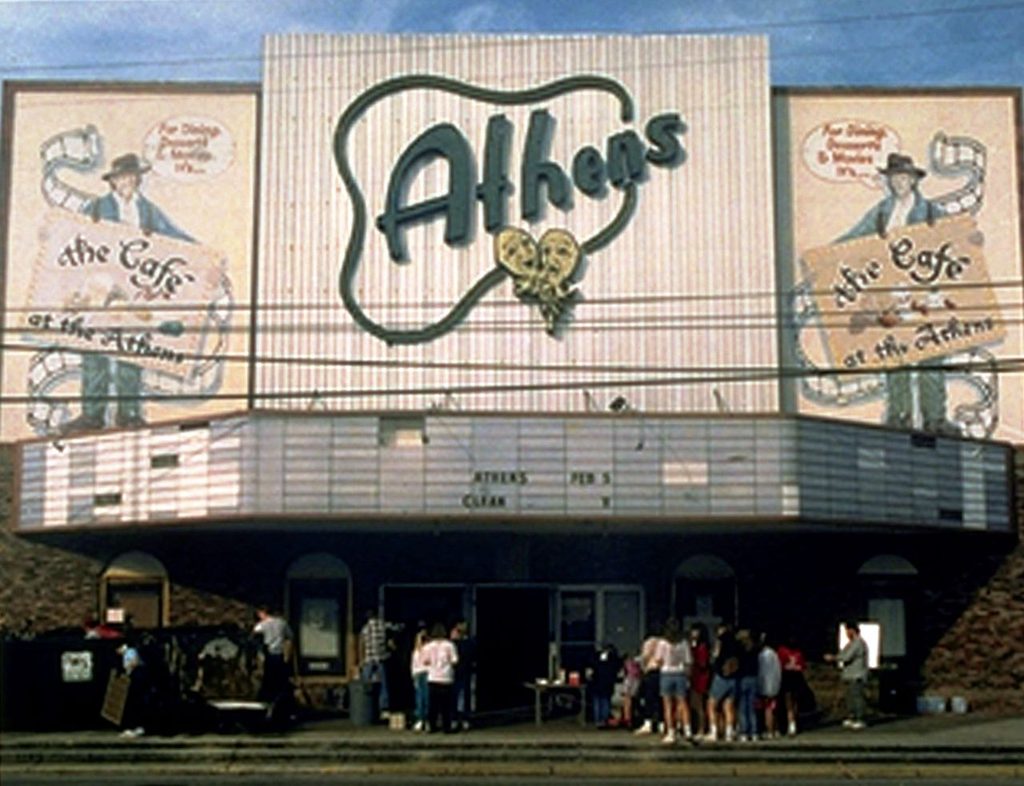
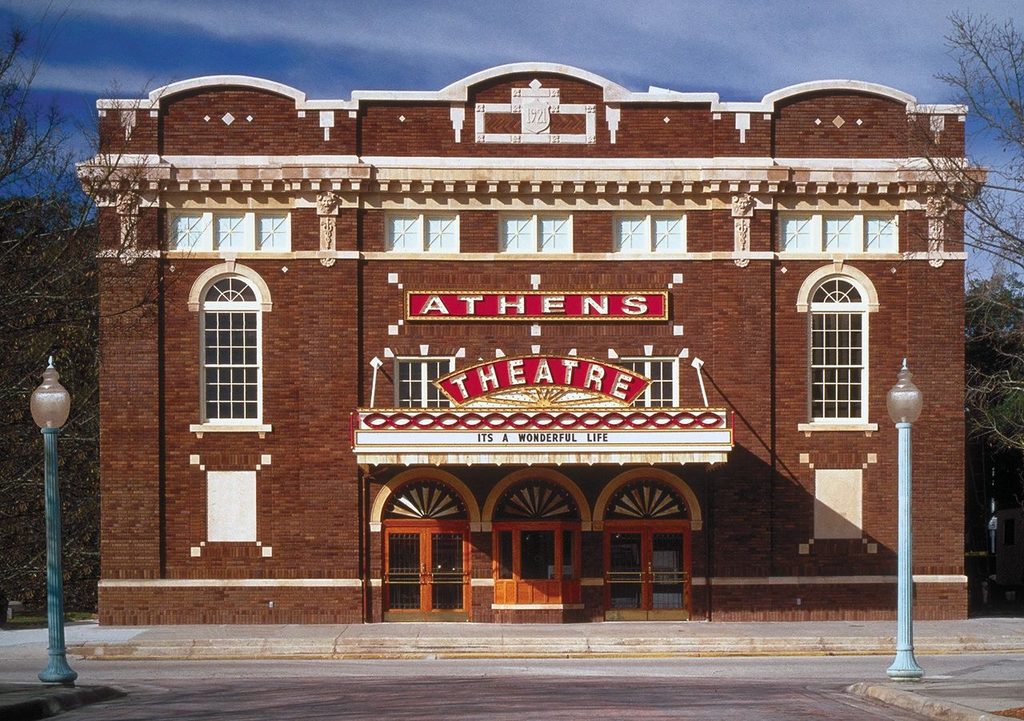
This was especially true for the Athens Theatre in DeLand, another theater Heisenbottle worked to restore. The Athens is a wonderful example of how a historic theater can invigorate and connect smaller towns. Built in 1921 and inspired by Italian Renaissance architecture, the theatre serves as the pinnacle of entertainment for the community. According to local historian Bill Dreggors, the Athens Theatre was the only entertainment people in the community could afford during the Great Depression. When Heisenbottle was contracted to restore it in 1996 the theater was in poor condition, but after thirteen years of restoration the theater has been restored to its former glory and is a point of pride for DeLand.
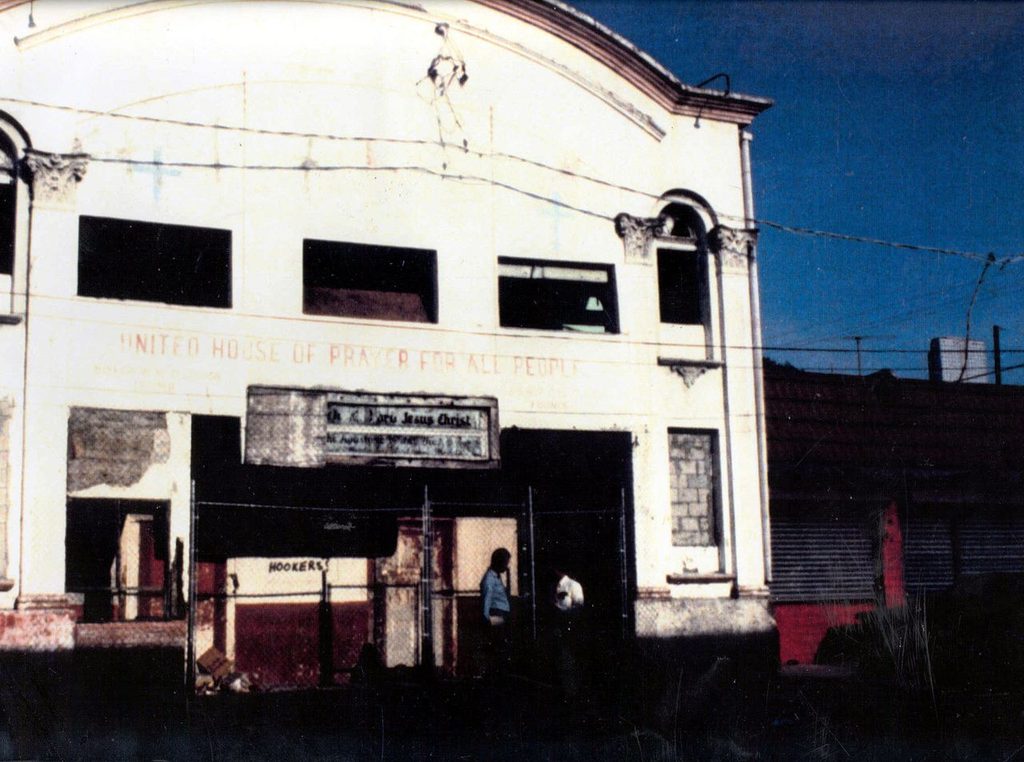
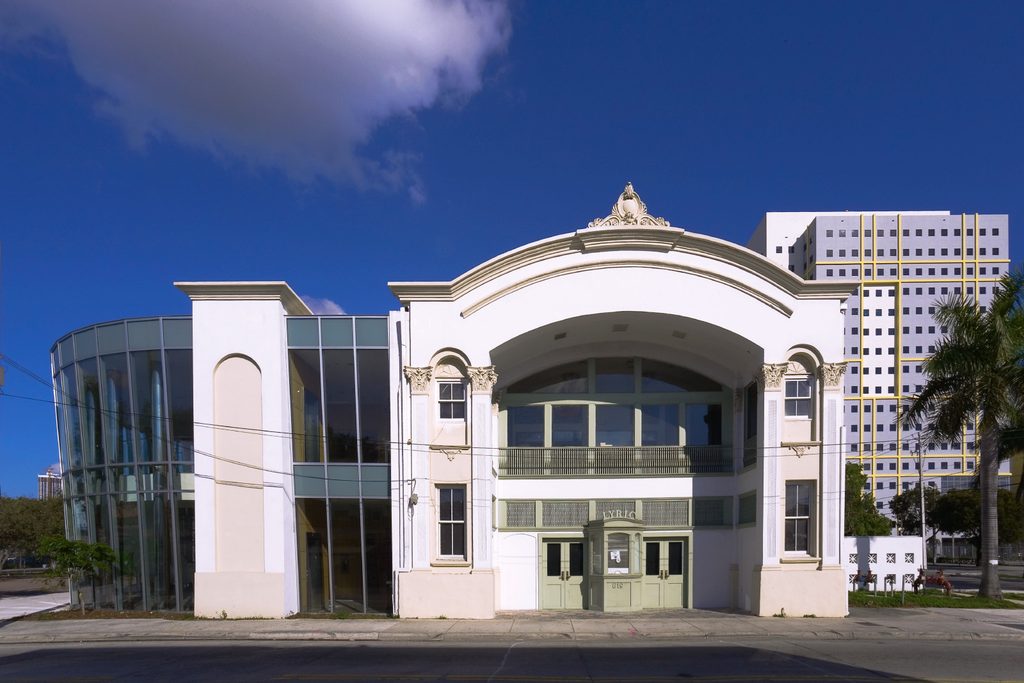
Another historic theater that continues to serve as a theater is the Lyric Theater in Overtown. This historic Black theater, built in 1913, was once a bustling movie theater and performance hall. When faced with the challenge of restoring the dilapidated building, there was a problem – the need for modern theater facilities and ADA accessibility. This led to the original building being completely restored in 2004, with a new entrance, lobby wing, bathroom and dressing rooms built to accommodate contemporary demands.
Historic movie theaters throughout Florida are great markers of how technologies and communities change. Some theaters evolved, some were repurposed. Many were lost and for some the future is uncertain. Miami’s Coconut Grove Playhouse, built in 1927, is a beloved community icon that has faced many challenges. Part of the building has been demolished, but community activists continue to fight to preserve the unique architectural, community and historic impact. Many can’t imagine their town or Main Street without its historic theater, which is why we must work to continue protecting these historic resources before they are gone.
By: Maxine Beck from The Preservationist magazine Winter 2025 issue.
See more from The Preservationist here.